
In the UK, more than 2 million people are living with sight loss, around 340,000 of which are registered as blind (severely sight impaired)b or partially sighted. Globally this figure rises 40 million people who are blind, while another 250 million have some form of visual impairment according to the World Health Organization.
Being told you have a visual impairment in later life that can’t be rectified or treated can be difficult to come to terms with.
In these blogs I hope to set out the emotions felt, the lessons that had to be learned, and what advice I have picked up from others – both sighted and blind. I have put them down here in the hope that they help prepare you for the ordeals ahead and the adjustments that you are going to have to make. There is support out there from organizations and institutes and these should be sought, but the most important support is from your loved one, so don’t be a drama queen and isolate them in your anger and frustration. Life isn’t fair, but blindness isn’t the worst disability to have to adjust to. Just imagine a day in which you couldn’t scratch an itch or pick your nose (surreptitiously I hope!).
Many people go through a process similar to bereavement, in which you experience a spectrum of emotions including shock, anger, and denial, before eventually coming to accept your ‘new normal’. If these pages help you pass through those stages prepared and help you (and your companion) emerge through them retaining a zest for life, travel, and adventure then I am happy.
Ross
Jan 2024
Just keep in mind that getting out there, retaining social contact and trying out new travel destinations will all be good for you regardless of what you do.

Seeing the UK’s Accessible Infrastructure Through New Eyes: A Blind Traveller’s Perspective
By The Blind Globetrotter | Accessible Travel | July 2025 Photo by Tim Mossholder on…

Guide Dogs (Part 3): Why English Setters Are Totally Unsuitable as Guide Dogs for the Blind
And possibly as pets for the rest of humanity! Introduction We are blessed, no, cursed,…

Guide Dogs (Part 2): Why Are Poodles Used as Guide Dogs?

Guide Dogs (Part 1): Why Labradors Make the Best Guide Dogs

Why You Never Regain Sight After Glaucoma

Please Don’t Get Too Woke Around Me: Speak to Me Like a Human Being

Visually Impaired vs Legally Blind: What’s the Difference?
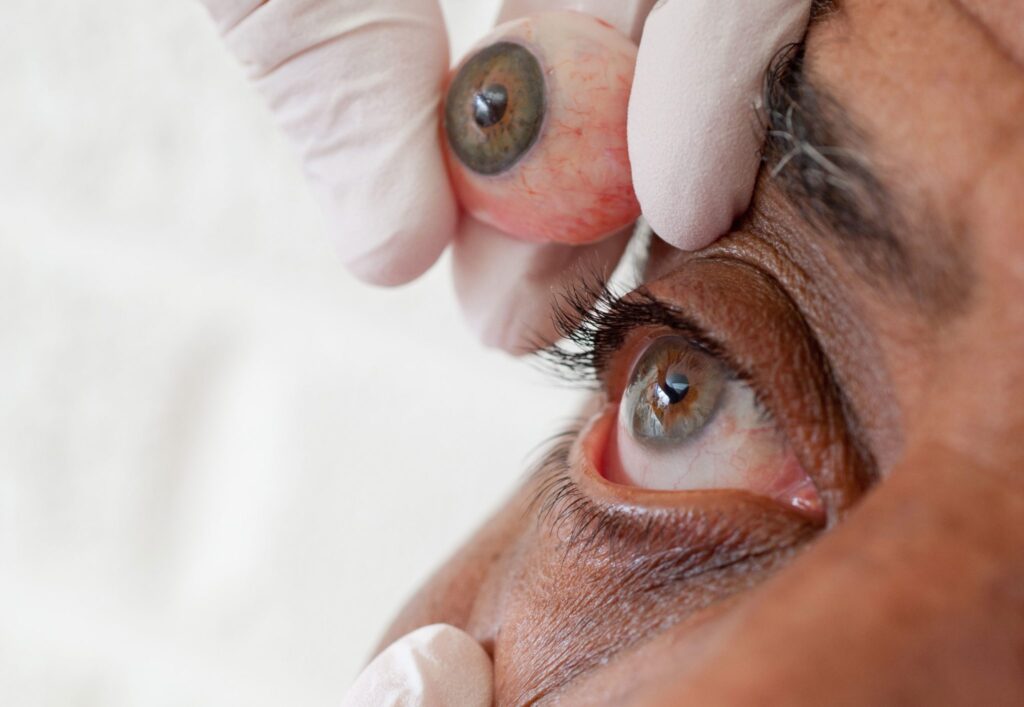
An Insight into the Artificial Eye

Losing Sight, Finding Self: Navigating the Emotional Impact of Late-Onset Blindness
Introduction: When the World Goes Dark Losing your sight later in life is more than…

What Do Dark Blind People Actually See? (Part 2)
A Personal Exploration of Life Without Light When I tell people I’m blind, one of…
What Do Dark Blind People See? (Part 1)
Exploring the Spectrum of Visual Experience in Blindness What do blind people see? It’s a…

Blind, Frustrated, and Angry: Living with the onset of Severe Sight Loss at 55
I didn’t expect to be here! I was 55 years old, angry at the world,…