
No one should have to compete with a condiment for brand recognition, but Tabasco is hot, in climate, in its cuisine and as a travel destination. The reputation of this Mexican Gulf Coast state wedged between Cancun and Veracruz is undergoing a re-evaluation as an eco-tourism hot spot. That is why we have made it one of our travel teasers.
The Mexican State of Tabasco

Where is it: Situated in southeast Mexico, on the Gulf of Mexico, Tabasco – or officially – the Free and Sovereign State of Tabasco
When to go: Tabasco’s climate can be summed up in two words: “hot” and “humid”. The best time to visit Tabasco is in March, or at best between November and April, the dry season when average temperatures range between 25-30°C (77-86°F). Outside this period between June to November Tabasco is exposed to hurricanes.
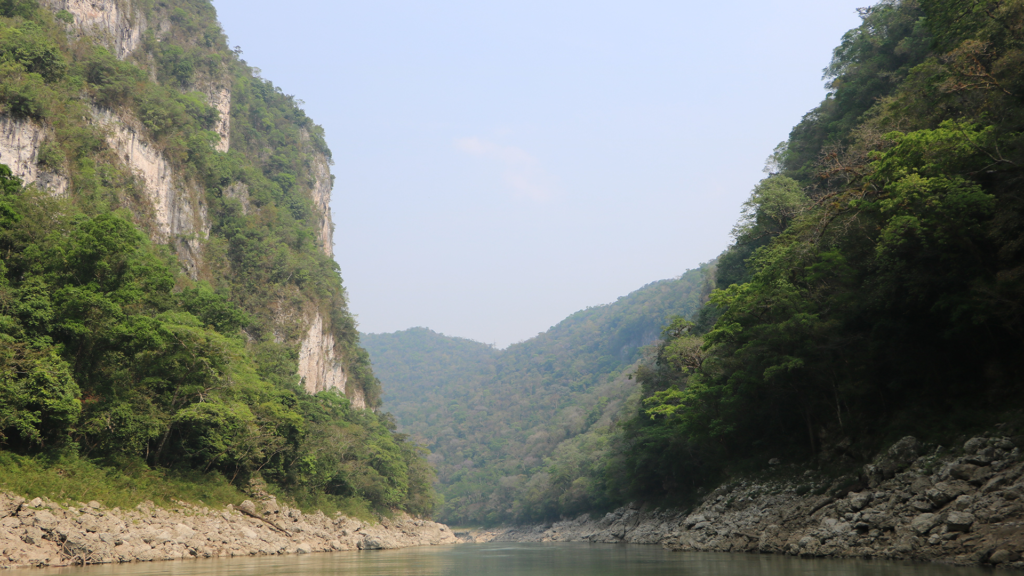
Brief Description: Unlike most states in Mexico, Tabasco is covered by rainforest and receives rainfall all year round, hence its green landscapes comprise coastal and river floodplains, extensive wetlands, and rainforest-covered mountains and valleys.
Why we recommend Tabasco: Bordering the Yucatán Peninsula to the east (the most touristy part of Mexico) and Veracruz and Oaxaca to the west, Tabasco is the less interesting middle child and is often forgotten by busy tourists. Tabasco certainly receives fewer visitors but has plenty to offer the curious with some of the oldest Mayan Civilisation ruins, tropical white sand beaches, extensive rainforest and fantastic southern Mexican cuisine, Tabasco is quietly rising up the ratings as an ecotourism destination for responsible travellers.
There is an adventure in just getting there! The simplest and most accessible route is by flight into Carlos Rovirosa Pérez International Airport (VSA) in its state capital of Villahermosa. This airport has limited international connections (there is one route via Houston, USA) but is primarily served via internal airports such as Mexico City, Monterrey, Guadalajara or Cancum. Some travellers with time on their hands, fly into Cancun and then bus to Villahermosa.
The Cuisine
Tabasco unsurprisingly is famous for its spicy food often based around the use of Salsa Chimay, a habanos chilli pepper-based sauce that comes in four flavours – ‘very hot’ through to ‘extremely hot’! Chirmol is a local mole sauce used over meat, fish, and poultry. It is prepared with chiles mulatos, corn tortillas, and pumpkin seeds as the main ingredients.
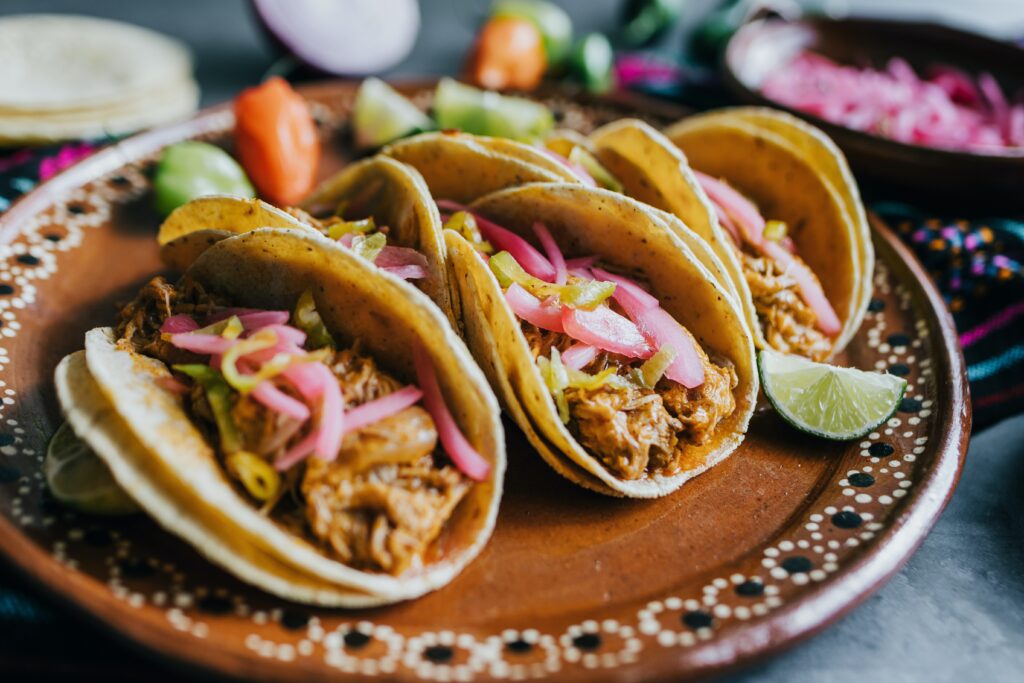
Tabasco’s extensive Gulf of Mexico coast influences its cuisine through the range of its mariscos (seafood), look out for ostiones (a type of oyster), ceviche (raw fish or seafood “cooked” in a marinade), róbalo (snook) and cócteles (a seafood cocktail). other local specialities include pejelagarto asado (grilled alligator gar), cochinita pibil (marinated pork cooked in banana leaves), and empanadas de queso (cheese turnovers). The state’s traditional drink is pozol, this thick pre-Hispanic concoction is made from fermented corn dough and cocoa – I will let you make your own mind up on its value, some local drinks should remain just that – local!
Cultural and Heritage Sites
The state capital Villahermosa is one of the oldest cities in Mexico, but as Graham Greene sarcastically pointed out in the 1930s when travelling through Tabasco, ‘Villahermosa doesn’t necessarily live up to the name “beautiful village”. Whilst oil money has brought investment to the city, in all honesty, it remains a better base from which to explore Tabasco than as a must-see site in its own right.
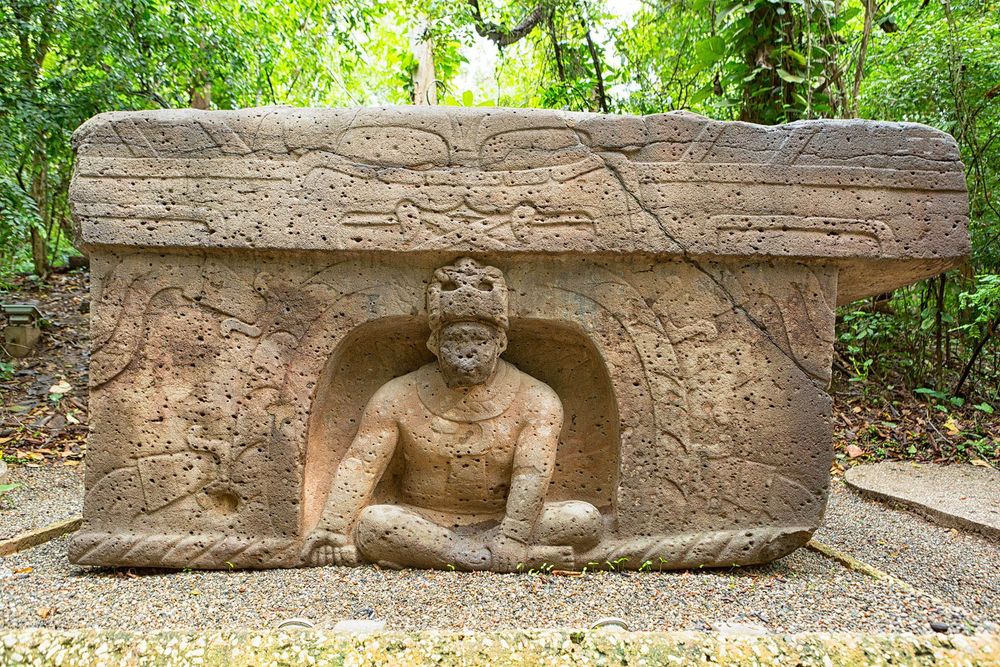
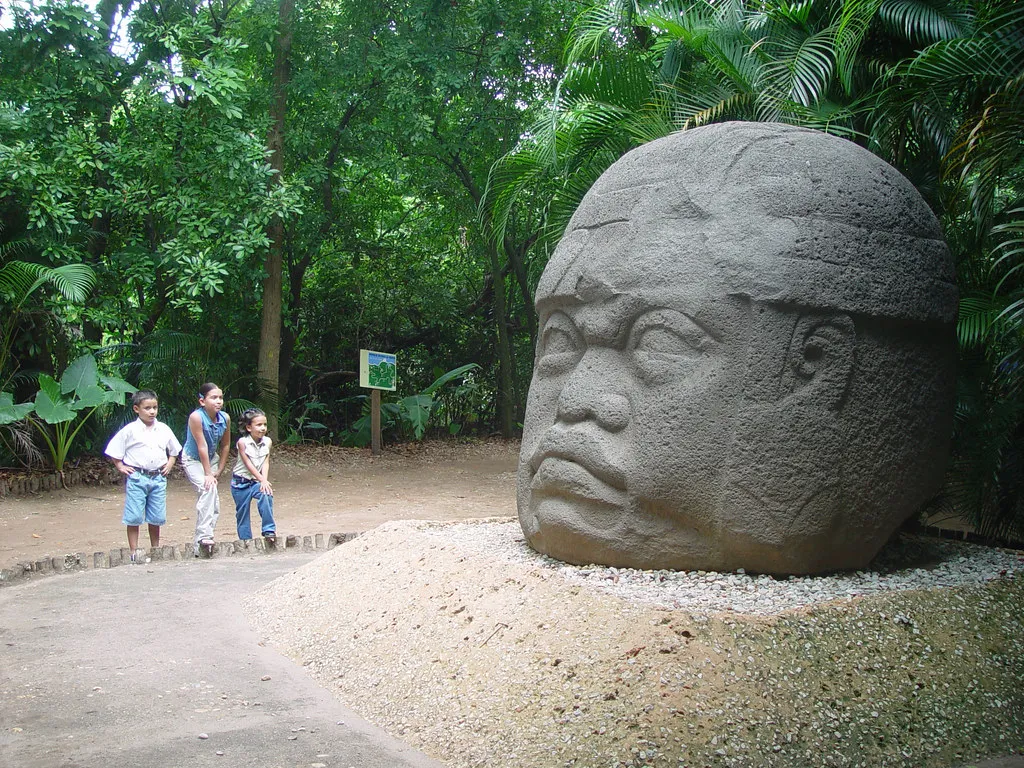
Notable city sights include the 17-acre La Venta complex, an open-air museum of 30 monuments and displays that chronicle the history of the Olmec peoples who inhabited Mexico and Guatemala in the past. The trails are easily walkable if you are being guided and the descriptions have English translations. Watch out for the local coatimundis who inhabit this forested park! These racoon-like creatures are non-threatening whilst they watch you closely for signs of food. Take your knowledge deeper with a trip to the Regional Museum of Anthropology for a deeper insight into the region’s history and to examine its Mesoamerican artefacts. Laguna de Las Ilusiones in the northwest of the city is a large and attractive lagoon skirted by the Malecon de las Ilusiones – a tree-shaded walkway (ideal in the late afternoon and early evening) by the water’s edge within the Parque Tomás Garrido Canabal. Señor de Tabasco Cathedral’s twin towers can be seen from various vantage points across the city, closer up its attractive façade is its main attraction as you wander by on your way to Villahermosa’s Zona Luz, its small historic centre. Pop into the Casa de los Azulejos (the “house of tiles”), an attractive blue and white tiled building housing the Tabasco History Museum.

Temple of the Inscriptions, Palenque. Photo by A Href
The famous Mayan ruins of Palenque in Chiapas state are two hours distant and reachable through an organised tour, or for the independently minded travellers take a colectivo straight from the ADO station to the ruins and plan to spend a night in Palenque. The Palenque city, palace, and temple ruins date from ca. 226 BC to ca. 799 AD and contain some of the finest architecture, sculpture, roof comb and bas-relief carvings of the Mayas.
Spend an afternoon visiting the coastal city of Paraíso, stop in at the colonial church and have some beach time at Varadero Beach.
The Comalcalco Archaeological Site is located an hour out of Villahermosa and on the Gulf Coast, this less visited site is quieter and makes for an interesting roam around its ruins. Catch a colectivo or a Comalli bus to Comalcalco and then take a taxi directly to the site.
La Venta – an archaeological site of the Olmec civilisation active between 1200 and 400 BC. About 1.5 hr distant and reachable by bus or colectivo leaving from outside the ADO station.
Tapijulapa is one of Mexico’s officially designated “Pueblos Magicos” (magical towns) for its white houses with red tile roofs along cobblestone streets set amongst green jungle vegetation. The town is the only Magicos designated in Tabasco.
Eco-tourism
Take a tour of Reserva de la Biosfera Pantanos de Centla, an extensive wetland and biosphere reserve that is almost 304,000 hectares in size, making it the largest wetland in North America and one of the 15 most important in the world. You can take boat tours from the Tabasquillo dock in the swamps between the municipalities of Centla, Macuspana, and Jonuta.
Chichonal Volcano – If you are able to hike, catch the emerald-green lake inside the volcano’s caldera.
Agua Selva ecological reserve located close to Malpasito in the mountains contains more than a hundred waterfalls within its abundant jungle vegetation.

Road Trips
Whilst a road trip between Cancun and Oaxaca, via Tabasco, can provide a memorable Atlantic to Pacific extension into a holiday if you are seeking to explore Tabasco in greater depth the state government has designed a number of “thematic routes“, each allowing the tourist to discover different aspects of Tabasco state.
- Ruta Aventura en la Sierra/Adventure in the Sierra Route: Teapa – Tacotalpa – Macuspana – Jalapa
- Ruta del Cacao/Chocolate Route: Comalcalco – Paraiso – Cunduacan
- Ruta Olmeca-Zoque/Olmeca-Zoque Route: Cardenas – Huimanguillo
- Ruta Pantanos/Wetlands Route: Centla – Jonuta
- Ruta Ríos/Rivers Route:
Other related attractions
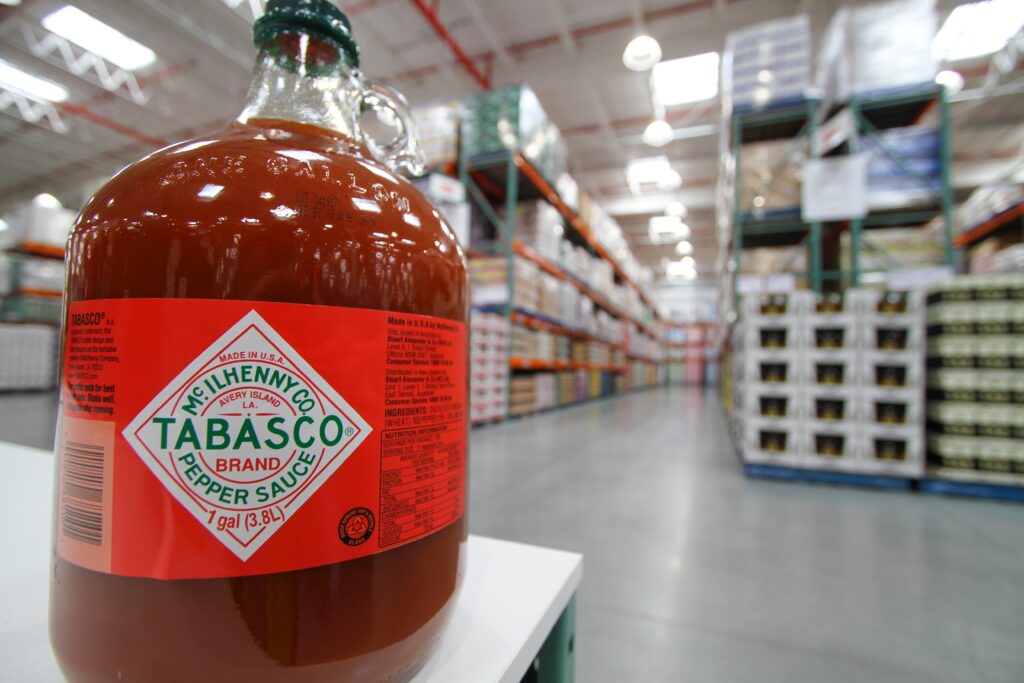
If you are still fixated on the hot sauce and not the Mexican state. You can visit and take a self-guided tour of the Tabasco sauce factory on Avery Island, Louisiana.


Leave a Reply