

At Blind Globetrotters, we’ve long championed a vision of travel that isn’t just about the destination, but about how we get there — ethically, inclusively, and responsibly. We believe responsible travel is not a checklist of good deeds, but a mindset. It’s about recognising that while travel brings personal growth and joy, it often leaves behind environmental footprints and cultural strain. Acknowledging this is the first step. The second is acting on it through conscious choices and informed partnerships.
This mindset becomes even more essential when travelling as a disabled person. Travelling with a disability already requires confidence and adaptability. Add the responsibility of ethical impact, and you begin walking a significant path. Likewise, travel companies, hotels, and operators face a choice: carry on as usual or become leaders, setting new standards, reshaping their supply chains, and pushing for real sustainability.
Here are eleven powerful, real-world examples to illustrate responsible travel in action. Each one highlights how tourism can support and uplift local communities, promote inclusion, or reduce pressure on overcrowded destinations while also offering valuable lessons to both travellers and the industry.

1. Ban Talae Nok Village, Thailand: Community at the Heart
This peaceful Thai village, devastated by the 2004 tsunami, chose a unique recovery path: community-based tourism. Through programs run by Andaman Discoveries, locals host guests in their homes and teach skills like batik painting and net fishing. Every activity is locally led, and income stays within the village.
Why it matters: My brother James was caught in this tsunami while visiting Thailand in 2004, and we thought we had lost him for five days before he was able to contact us again. This initiative is a model of empowerment, cultural preservation, and sustainability. For disabled travellers, community tourism offers deeper connections and slower, more adaptive experiences. For travel agencies, it’s a blueprint for ethical partnership.

2. Traveleyes, UK: Inclusive Travel for the Visually Impaired
Traveleyes redefines group travel by pairing blind and sighted travellers. The sighted companions describe their surroundings in return for a discounted trip, creating a shared experience based on cooperation, empathy and exploration.
Why it matters: Although I prefer solo and independent travel, Traveleyes’ approach is highly commendable for removing barriers to international travel for blind travellers and challenging the industry to be bolder in its inclusion strategies. It also allows less confident integration couples to travel with and mingle with both visually impaired and sighted individuals.

3. Accessible Barcelona: Designing a City for All
Barcelona is one of Europe’s most accessible cities. With tactile maps, adapted buses, step-free metro access, and guided tours in sign language, it proves that accessibility doesn’t have to be an afterthought — it can be integral.
Why it matters: Even within this highly popular designation, the planners are seeking to create a smarter and more inclusive cityscape accessible to all, recognising it as a simple human right. Travel providers can align their travel experiences with city facilities like those in Barcelona. Barcelona proves that thoughtful design enhances everyone’s experience, not just those with disabilities.

4. Invisible Cities, UK: Social Good Through Storytelling
In Edinburgh, Manchester, and Glasgow, former homeless individuals now lead walking tours through their cities. These aren’t pity stories — they’re rich, personal perspectives that add layers of meaning to familiar streets.
Why it matters: This approach builds on concepts such as the Big Apple Greeters in New York, where locals introduce their city freely and with pride. The Invisible Cities concept should not be considered pity-tourism but a way of rehumanising tourism, turning a passive experience into a powerful act of social justice and an understanding of the city as it is now, not just a scenic reminder of past glories. It reminds us that living cities and their stories matter; everyone has one to share.

5. Playa Viva, Mexico: Regenerative, Not Just Sustainable
Located on Mexico’s Pacific coast, Playa Viva isn’t just eco-friendly—it’s regenerative. A guest impact fee funds local conservation and social projects. From turtle sanctuaries to mangrove restoration, it gives back more than it takes.
Why it matters: We all depend on ecosystem services. As travellers, we need to be aware of those we interact with and take resources from during our stay and which resources are in prime health, degraded by human activity, or lost by human carelessness or natural disaster. Responsible Travel can support such tourism models by choosing accommodations that restore and replenish, and demanding more from those that don’t.

This small haven of peace and calm is located within one of ancient Hoi An’s busiest tourist streets. It was created to share authentic Hoi An (which means peaceful meeting) through the tradition of drinking tea and coffee with friends and visitors, surrounded by ancient furnishings within a historic house.
Why it matters: Tranquillity is assured as the servers are all speech and hearing impaired, and excessive noise is discouraged. Not only does this enterprise offer employment opportunities, it celebrates the power of silence within modern environments. It provides a quality solo travel experience within a vibrant tourism hot spot – plus excellent cakes and biscuits!

7. ToursByLocals: Supporting Micro-Entrepreneurs Globally
Platforms like ToursByLocals connect travellers with vetted local guides for one-on-one or small group tours. These guides are often independent, enthusiastic, and deeply knowledgeable.
Why it matters: I particularly enjoy 1-2-1 experiences with local guides and environmental specialists. This has enhanced my experience and the depth to which conversations (and questions) can take place. Smaller tours can offer personalised pacing and verbal descriptions for visually impaired travellers. For the industry, it shows how decentralisation can support authentic, high-quality experiences and local economies.
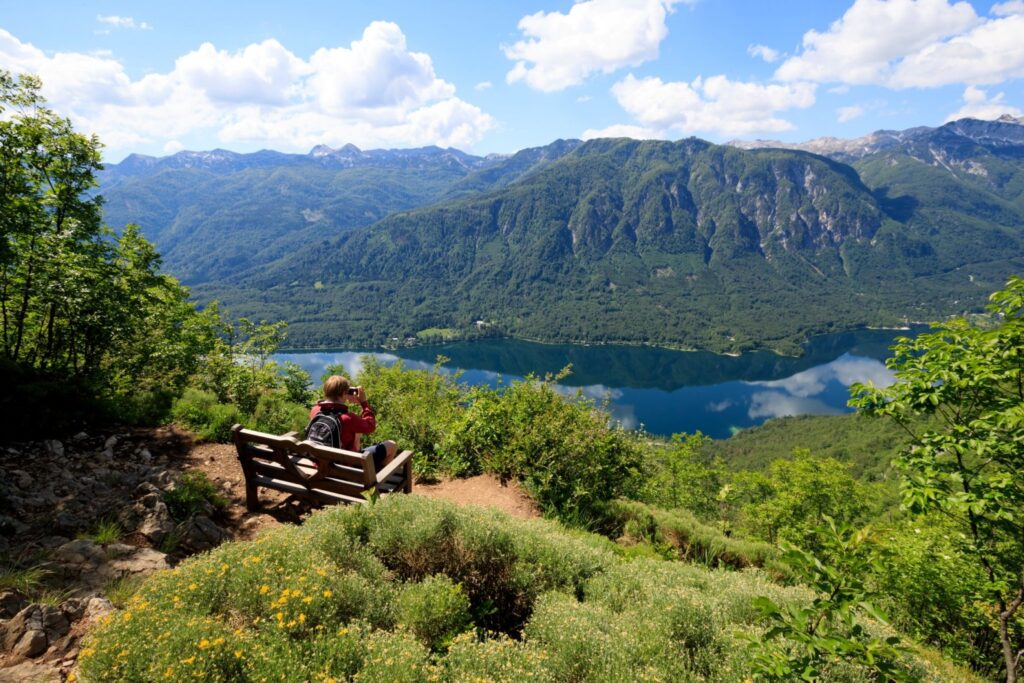
8. Slovenia Green Initiative: Diverting Tourists to Hidden Gems
With cities like Ljubljana reaching capacity, Slovenia developed the “Slovenia Green” initiative, encouraging tourism to lesser-known regions. Local businesses and villages earn “green” labels for sustainable practices, drawing visitors away from hotspots.
Why it matters: Curious travellers want to see what is around the back of the Taj Mahal, to the side of the Great Pyramids, and what off-the-beaten-track locations can be found off popular routes and destinations. These are often the hidden gems of travel. Over-tourism erodes the magic of popular destinations. Responsible travellers — and tour operators — can help disperse pressure by promoting emerging, sustainable alternatives, or even promoting the visit of a site at less populous times.

9. Banff National Park, Canada: Nature for All
Banff National Park features accessible trails like the Sundance Canyon Trail and adaptive nature programs for those with mobility or sensory impairments. It proves that wild spaces can be welcoming spaces.
Why it matters: Banff National Park will leave you speechless, it certainly did when I hitch-hiked through it in the late 1980s. Nature should be inclusive for all. Though I once explored Banff NP as a fit, young, sighted individual, I now wish to return as a retired, blind man. Providers who invest in accessible outdoor experiences invite more people to become environmental stewards, to return and re-experience again the beauty of a location or to reconnect with past travels.

10. Fair Trade Tourism, South Africa: Ethical Certification That Works
This program certifies hotels and tour operators with high standards in fair wages, local sourcing, community empowerment, and environmental care. The Peech Hotel in Johannesburg is a proud participant.
Why it matters: Greenwashing, overblown marketing claims, and even blogging by some travel influencers can paint an incorrect picture of responsible travel initiatives. Travel businesses can’t greenwash their way into responsibility—they need to embed ethical practices throughout their operations that can be verified and hold their suppliers accountable.

11. Sámi Reindeer Herding, Norway: Indigenous-Led Ecotourism
Visit Natives offers intimate tours with Sámi reindeer herders in Norway. These trips provide authentic cultural exchange while directly supporting Indigenous communities facing cultural and climate pressures.
Why it matters: My Swedish business partner has taught environmentalism and sustainability in mid- and northern Sweden for years, often recounting tales about the Sami and their lifestyle. Respectful indigenous tourism challenges preconceived and outdated travel models and creates bridges through story, survival, and sustainability.

A Call to Action: Responsibility Is Not Optional
So, what do these examples teach us — whether we are blind travellers seeking the courage to explore or travel businesses seeking a competitive edge?
- Travellers: You’re not powerless. Choose operators that empower, not exploit. Ask how your money is used. Seek experiences that involve people, not just places.
- Disabled travellers: You are not a burden. You are a voice for inclusion. By asking for better access, clearer information, or alternative experiences, you help improve the travel landscape for everyone.
- The Industry: Leadership isn’t about being the cheapest or most popular. It’s about doing the right thing, even when it’s hard, and gaining a sense of pride that what you do is the right action for people and the environment. That means:
- Dropping unsustainable suppliers
- Investing in accessibility
- Tell customers why responsible choices matter to you as a service provider and what responsible choices you have made.
- And, above all, refusing to profit from harm
Tourism can be transformative. But for it to be truly positive, it must be intentional, inclusive, and accountable. At Blind Globetrotters, we believe that seeing the world—even without sight—means understanding our place in it, and our power to shape it.
The choice is ours. Let’s travel with courage, care and commitment.



Leave a Reply